
How to Clean a Chimney
Back to the Chimney Brushes
|
Chimneys need periodic
examination and thorough cleaning to maintain
efficiency and to reduce the chance of a chimney
fire. Build-up of creosote and soot that
accumulates on the chimney walls reduces the
draft needed by the stove or fireplace which may
cause smoke to come out the opening or door.
Creosote is flammable and can easily fuel a
chimney fire. Methodical cleanings through
the heating season combined with proper burning
of fuel and systematic use of effective creosote
and soot inhibitors, provides the best solution
for trouble-free performance. If a fire has
occurred, have your chimney thoroughly inspected
by a certified professional before attempting to
use it again.
CAUTION: When cleaning chimneys by any method,
wear appropriate eye protection, gloves and an approved
dust mask. Cover fireplace opening or stove and
all rugs and furniture in work area. Soot and corrosive
debris from cleaning may cause damage. Work that
requires ladders and working on the roof should
only be done by competent experienced individuals
with proper safety precautions. For your own safety,
be aware of electrical and fire hazards at all times.
Use caution when handling brushes, tempered spring
like brush wire can injure eyes and puncture skin.
Keep brushes away from children. |
|

Dramatic results occur in a chimney regularly with
Liquid
Creosote Remover.

All sizes and types of chimney cleaning products
available here.
|
EQUIPMENT NEEDED:
Correctly sized chimney brush, chimney
brush rods
or rope and
pull rings (depending on method used),
fireplace
cover (for use with an ash vacuum or to
contain dust), protective covering for furniture and rugs,
tape, metal bucket,
small shovel and broom,
vacuum cleaner,
and a powerful flashlight.
|
DIRECTIONS:
Measure your chimney carefully to determine the correct brush size to select.
Carefully measure the inside of the chimney tile
or pre-fabricated chimney diameter. NOTE:
An oversize brush will not improve cleaning action
and could become lodged in the chimney. An
undersize brush will not provide the pressure on
the walls for proper cleaning.
IMPORTANT: TIGHTEN ALL FITTINGS SECURELY
– COMPLETELY EXTINGUISH THE FIRE BEFORE CLEANING.
BE SURE THE CHIMNEY IS COLD ALONG ITS LENGTH.
BE AWARE OF HOT ASHES AND DISPOSE OF PROPERLY.
There are four common methods used to control
the brush for effective cleaning.
Flexible Rod Method, Top Down (Preferred Method):
– Seal off fireplace or stove opening to prevent
soot from entering the home. For fireplaces
the Fireplace
Cover is a great way to seal off the opening
and allow a vacuum cleaner to attach to keep the
dust out of your home. Attach the brush securely
to the flexible rod and lower into the top of the
chimney, add more rods as necessary to reach the
flue bottom. Work the brush up and down several
times until the chimney is clean. Use a powerful
flashlight to look into the chimney to be sure you
have cleaned it completely. Follow
clean-up directions
below.
Note: For chimneys that have tight bends you
should consider the
ProFlex or
Lock-Fast rods since they are very
flexible yet have the strength to push a brush down
the chimney. In some cases the
Super Flexible rods will do a good job but they are
very flexible with light-duty strength.
Flexible Rod Method, Bottom-up: – Insert
brush and rod up through the fireplace damper or
chimney clean-out door. Add more rods as necessary
to reach the top of the chimney. This method
is often messy since sealing the opening cannot
be done during cleaning. Professionals use
the August
West SootSweeper II system to pull dust and
creosote particles from the air as the the
chimney is being cleaned. Cover area around
opening to prevent staining rugs, furniture, etc…
Use a powerful flashlight to look into the chimney
to be sure you have cleaned it completely.
Work the brush up and down several times until the
chimney is clean. Follow
clean-up directions
below.
Note: For fireplaces that have a clean-out
where you want to brush the chimney from the bottom-up.
You will most likely need a flexible rod that will
make a quick bend yet have the strength to force
the brush up the chimney. In these conditions
we recommend using the
ProFlex or
Lock-Fast rods since they are very
flexible yet have the strength to push a brush up
the chimney.
Line and Weight Method: - Seal off fireplace
or stove opening to prevent soot from entering the
home. Securely attach a compact 20-pound (minimum)
weight to one end of the brush with one accessory
pull ring and attach a rope that is more than long
enough to reach the bottom of the flue, to the other
brush end. Lower the brush into the chimney
and up again until the chimney is clean. Use
a powerful flashlight to look into the chimney to
be sure you have cleaned it completely. Follow
clean-up directions
below.
Dual Line Method: - This method requires
two people, one on the roof and one below at the
clean-out or fireplace opening. Attach one
rope to each end of the brush. Drop one rope
down the chimney to the person below. Cleaning
is done by alternately pulling the ropes to vigorously
move the brush up and down in the flue. This
method is often messy since sealing off the opening
cannot be done during cleaning.
Professionals use the August
West SootSweeper II system to pull dust and
creosote particles from the air as the the
chimney is being cleaned. Cover area around
opening to prevent staining of rugs, furniture,
etc… Work the brush up and down several times
until the chimney is clean. Use a powerful
flashlight to look into the chimney to be sure you
have cleaned it completely. Follow clean-up
directions below.
For All Methods:
- Sweep or vacuum up all residues prior
to using stove or fireplace. Be especially
careful to check the debris behind the damper and
smoke shelf area, in elbows or “T” connections.
Special
hand held chimney cleaning brushes are
available to reach hard-to-clean areas. Clean a wire bristle chimney brush after use and coat with a rust preservative.
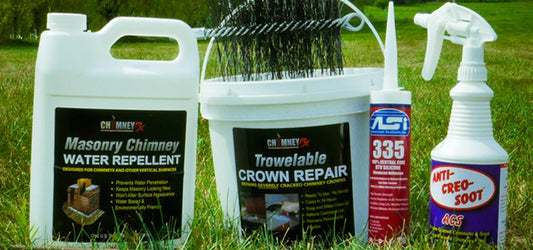
During the burning season we highly recommend the
use of
Anti-Creo-Soot or another
creosote
remover product to reduce the build-up of creosote
deposits.
|
Back to the Chimney
Brushes
|